Cooking Through the Tomato Shock: 6 Gravies That Don’t Need a Single Tomato
Modern Indian recipe blogs pretend every curry starts with three pureed red hybrid tomatoes. But traditional Indian culinary regional history has five distinct acid-and-body bases that are faster, cheaper, and deeply flavourful.
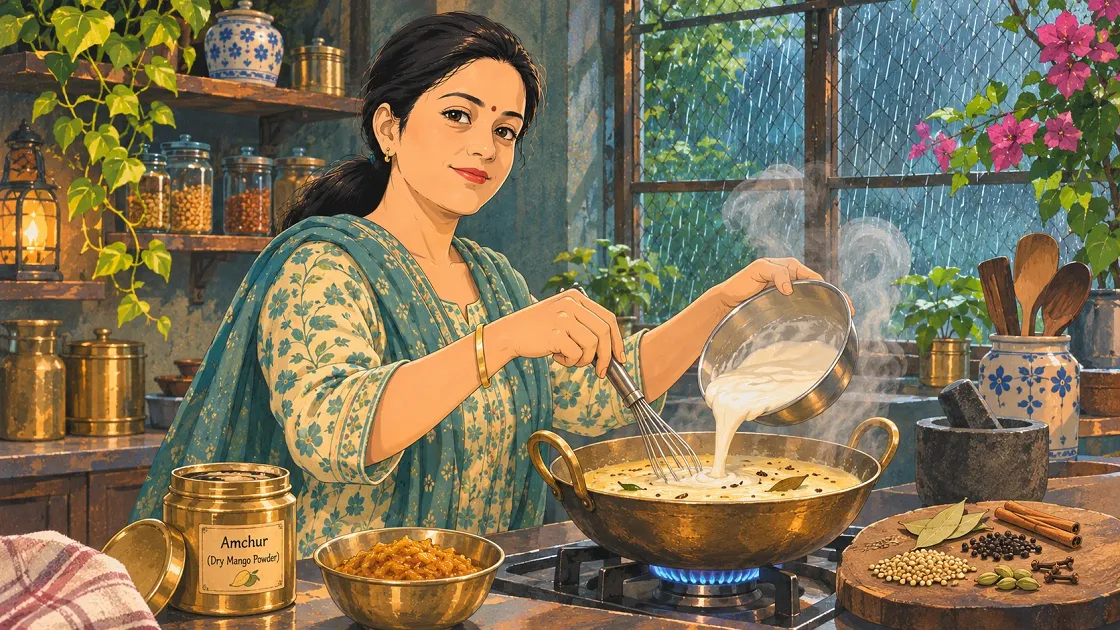
Cooking Through the Tomato Shock: 6 Gravies That Don’t Need a Single Tomato - Sabzi Without Tomato
Every few months, Indian kitchens face a familiar monsoon or summer shock. You walk up to your local mandi vendor with your cloth bag, ask for half a kilo of tomatoes, and pause when you hear the price: Rs. 100 or Rs. 120 a kilo. Suddenly, that automatic habit of chopping three ripe tomatoes into every kadhai feels less like routine cooking and more like a luxury tax on your household grocery budget.
Over the last few decades, tomatoes have quietly taken over everyday Indian cooking. Yet if you look back at your grandmother's kitchen notebook, tomatoes were barely used in daily meals. Traditional regional kitchens across India mastered dozens of rich, tangy, comforting gravies using everyday pantry staples like fresh dahi, roasted besan, amchur, imli, coconut, and ground seeds. Knowing how to make a delicious sabzi without tomato frees you from market price spikes and keeps your weeknight dinners exciting.
At PlanMeal, we are an Indian home-cooking journal and kitchen companion built around a calm, practical philosophy: cook with what you have, celebrate everyday ghar ka khana, and bring a little love to your kitchen every day. When your vegetable tray is empty of red tomatoes, you do not need to panic or order takeaway - you just need the right pantry base.
Why Skipping Tomatoes Actually Makes Your Cooking Better
We often reach for tomatoes out of pure muscle memory because they give a quick sourness and red colour to a gravy. However, relying on tomatoes for every single meal makes all your sabzis taste remarkably similar. When you step away from tomatoes for a week or two, you unlock deeper, more layered flavours that are already sitting inside your masala dabba and refrigerator.
- Cleaner, Distinct Regional Flavours: Without the sharp acidity of cooked tomatoes masking your spices, the earthy aroma of roasted jeera, kasuri methi, hing, and fresh dhaniya shines through clearly.
- Gentler on Sensitive Stomachs: Many family members experience acidity or reflux from heavy tomato-onion masalas at night. Gravies built on curd, ash gourd, or mild coconut milk feel much lighter at dinner.
- Zero Last-Minute Grocery Runs: When you master a few reliable indian gravies without tomato, an empty tomato basket never stops you from packing a wholesome morning dabba or getting dinner onto the table by 8:30 PM.
The 5-Ingredient Pantry Toolkit for Tang and Body
Before diving into the recipes, look at what tomatoes actually do in a curry: they provide tanginess (sourness) and body (thickness). You can replicate both effortlessly using items already sitting in your kitchen bartan:
- Fresh Dahi (Curd): Adds velvety richness and gentle tang. Whisk it smooth at room temperature before adding to low heat so it never curdles.
- Roasted Besan or Cashew-Melon Seed Paste: Just two tablespoons of dry-roasted besan or soaked magaj (melon seeds) gives any thin gravy a restaurant-style, silky body.
- Amchur (Dry Mango Powder) & Anardana: Half a teaspoon of amchur stirred in at the end gives bright, clean tartness without adding extra liquid.
- Imli (Tamarind) or Kokum: Essential for coastal and South Indian gravies where deep, fruity sourness balances roasted coconut and curry leaves.
- Kashmiri Red Chilli Powder & Beetroot: If your family eats with their eyes and misses that deep red colour, Kashmiri mirchi or two thin slices of grated beetroot boiled with your masala brings gorgeous colour with zero tomato tang.
6 Comforting Gravies for a Sabzi Without Tomato
Here are six tried-and-tested gravies made with everyday mandi vegetables and fridge staples. Each one pairs effortlessly with hot phulkas, parathas, or steamed jeera rice.
1. Rajasthani Dahi Aloo (Classic Tangy Potato Curry)
When your vegetable tray has nothing left except a few potatoes and a katori of slightly sour curd in the fridge, a traditional dahi aloo recipe is your ultimate weeknight lifesaver. It takes 20 minutes from start to finish and tastes like festive comfort food.
- The Base: Boil 4 medium potatoes, peel them, and break them roughly by hand into bite-sized chunks (hand-broken edges absorb gravy much better than knife-cut cubes).
- The Gravy: Whisk 1 cup of fresh dahi with 1 teaspoon besan, 1/2 teaspoon haldi, 1 teaspoon dhaniya powder, and Kashmiri red chilli powder until completely smooth.
- How to Cook: Heat 1 tablespoon ghee or mustard oil in a heavy bartan. Crackle jeera, a pinch of hing, crushed ginger, and slit green chillies. Lower the flame completely, pour in the whisked curd mixture, and stir continuously in one direction until it comes to a gentle boil. Drop in the potatoes, add salt and kasuri methi, and simmer for 6 minutes.
2. Makhana and Matar in White Cashew-Poppy Seed Gravy
If you want a special Sunday lunch or guest-worthy curry without tomato recipe, this delicate North Indian Shahi-style gravy feels rich without feeling heavy on the stomach.
- The Base: Soak 10 cashews and 1 tablespoon melon seeds (magaj) in warm water for 15 minutes, then blend into a smooth paste with 2 tablespoons of fresh curd.
- How to Cook: Sauté finely chopped onions, ginger, and garlic in a little ghee until translucent (do not brown them). Stir in the white paste, white pepper powder, cardamom powder, and a splash of warm water or milk. Add boiled green peas and lightly roasted makhana (fox nuts) right before serving so they stay tender yet bouncy.
3. Maharashtrian Bharli Vangi (Stuffed Baby Brinjal in Peanut-Coconut Masala)
In Maharashtrian kitchens, tomatoes are rarely needed because roasted peanuts and dry coconut (kopra) create an irresistible, nutty gravy that clings beautifully to tender baby brinjals.
- The Base: Dry roast 1/3 cup raw peanuts, 3 tablespoons grated dry coconut, 1 tablespoon sesame seeds, and 1 teaspoon coriander seeds. Grind coarsely with garlic, goda masala, red chilli powder, jaggery, and a pinch of amchur.
- How to Cook: Slit small purple brinjals in a cross shape, stuff them generously with the spice mix, and sear them in oil. Add the remaining masala, pour in 1 cup of hot water, cover, and simmer on a low flame until the brinjals turn soft and the oil floats gently on top.
4. South Indian Mor Kuzhambu (Spiced Buttermilk and Ash Gourd Curry)
When summer heat makes heavy masalas unappealing, this golden, aromatic Tamil-style gravy turns simple ash gourd (petha), bhindi, or bottle gourd into a cooling, probiotic-rich meal with steamed rice.
- The Base: Soak 1 tablespoon raw rice, 1 tablespoon toor dal, and 1 teaspoon jeera for 20 minutes, then grind with 1/2 cup fresh grated coconut and 2 green chillies into a smooth paste.
- How to Cook: Simmer cubed ash gourd in water with turmeric and salt until translucent. Stir the coconut paste into 1.5 cups of whisked sour buttermilk, pour it into the cooked vegetable, and warm gently on low heat until frothy - never let it boil vigorously. Finish with a crackling coconut oil tadka of mustard seeds, methi seeds, dry red chillies, and fresh curry leaves.
5. Punjabi Kadhi Pakora (Besan-Buttermilk Comfort)
No list of indian gravies without tomato is complete without a pot of slow-simmered kadhi. It relies entirely on sour dahi and besan, making it completely immune to tomato prices.
- The Base: Whisk 1.5 cups of sour curd with 4 tablespoons of besan, haldi, red chilli powder, and 3.5 cups of water until zero lumps remain.
- How to Cook: Simmer the mixture on medium-low heat for 20 minutes, stirring occasionally until glossy and thick. Drop in soft onion-spinach besan pakoras (or steamed moong dal dumplings if you want a lighter dinner) and finish with a smoky ghee tempering of jeera, whole coriander seeds, hing, and Kashmiri mirchi.
6. Besan Pitla / Zunka Gravy (5-Minute Pantry Lifesaver)
When the fridge vegetable drawer is completely empty before your weekend mandi visit, besan and onions step in to save dinner in under 15 minutes.
- The Base: Whisk 1/2 cup besan with 1.5 cups water, haldi, and salt into a thin, lump-free batter.
- How to Cook: Sauté plenty of finely chopped onions, crushed garlic, green chillies, and curry leaves in oil until golden. Pour the besan liquid slowly while stirring constantly so no lumps form. Cover and steam for 5 minutes until thick and custard-like, then finish with fresh coriander and a generous squeeze of nimbu juice.
Smart Kitchen Planning When Vegetable Prices Spike
Navigating sudden price rises at the mandi becomes much easier when your kitchen habits stay flexible. According to dietary guidance from the ICMR-National Institute of Nutrition, rotating diverse pulses, curd, nuts, and seasonal vegetables ensures your family gets balanced protein and micronutrients without relying on any single expensive ingredient.
A few gentle routines can keep your weekly cooking smooth and affordable:
- Rotate Your Gravy Bases Across the Week: Instead of cooking the same onion-tomato masala four nights in a row, build an easy weekday dinner menu that alternates between a curd base on Monday, a coconut or peanut base on Wednesday, and a simple dal-tadka on Friday.
- Batch-Roast Dry Masala Bases: Roast a cup of peanuts, sesame seeds, and dry coconut on Sunday afternoon and store the ground powder in an airtight jar. On a hectic Tuesday evening, two spoons of this powder plus hot water gives you an instant gravy base for bhindi, capsicum, or paneer.
- Cook From Your Fridge First: Before checking grocery delivery apps, open your fridge door and see what is already sitting in your katoris - a bowl of leftover dahi, half a coconut, or boiled potatoes can easily become tonight's star dish. As nutritionists at the Harvard T.H. Chan School of Public Health note, fermented dairy like yogurt and nuts add valuable protein and healthy fats that keep everyday meals deeply satisfying.
If you enjoy practical, fuss-free ways to cook around seasonal prices and everyday pantry staples, explore more home-kitchen stories on our PlanMeal blog.
Delicious Ghar Ka Khana Never Depends on One Ingredient
The next time tomato prices hit the roof at your local vegetable stall, smile and walk right past them. Learning how to make a comforting sabzi without tomato reconnects you with the true genius of Indian home cooking - turning simple curd, besan, spices, and fridge leftovers into meals your family asks for seconds of.
At PlanMeal, we believe the best meals always start with what is already waiting in your kitchen. Cook with what you have, enjoy real ghar ka khana, and bring a little love to your dining table every single day.