The Refrigerator Archaeology Feast: Turning 4 Tiny Leftovers Into Tonight’s Best Dinner
Opening the fridge to find tiny steel katoris with two bites of food each. It's not enough for anyone's dinner, but too good to throw away. Here is how Indian cooks turn leftover chaos into legendary stuffed parathas, tawa pulao, and missi roti.
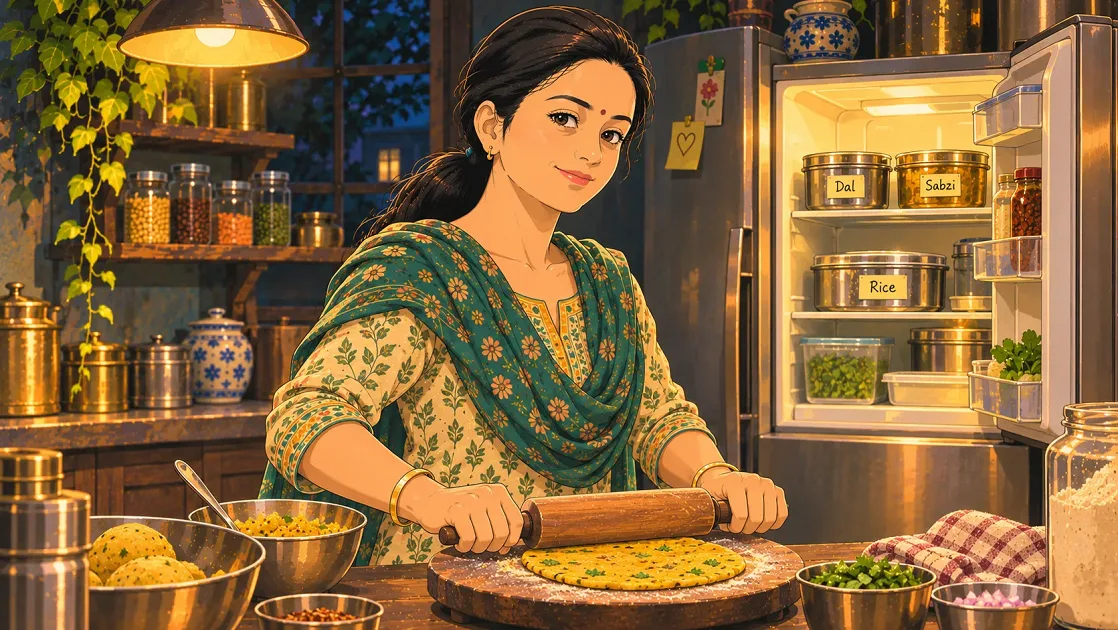
The Refrigerator Archaeology Feast: Turning 4 Tiny Leftovers Into Tonight’s Best Dinner - What to Do With Leftover Dal
Open the door of almost any Indian refrigerator on a Thursday evening, and you will uncover an archaeological dig of small steel katoris and glass dabbas. Tucked behind the milk packet is half a cup of yesterday's yellow toor dal. Beside it sits three tablespoons of dry gobhi sabzi from Tuesday, two cold phulkas wrapped in foil, and a small bowl of cooked jeera rice that was not quite enough for anyone's lunch box.
None of those tiny portions can feed a family on its own, yet throwing away good home-cooked food feels wrong in every Indian household. Instead of feeling defeated and ordering expensive takeout, knowing what to do with leftover dal and stray fridge leftovers lets you sweep those four small containers into a piping-hot, completely fresh dinner in 20 minutes flat.
At PlanMeal, we are an Indian home-cooking journal and kitchen companion built around a simple, grounded belief: cook with what you have, cherish real ghar ka khana, and bring a little love to your stove every day. Your fridge leftovers are not a chore to reheat - they are pre-cooked, pre-seasoned building blocks waiting to become tonight's best meal.
Why Tiny Katoris Pile Up in Indian Fridges
Indian cooking is naturally generous. Because we cook from intuition rather than weighing scales, it is almost impossible to judge the exact spoonful of dal or sabzi everyone will eat on a given night. One person skips dinner after a late office snack, another takes an extra roti, and suddenly you have four miniature leftovers sitting on the middle shelf.
Simply microwaving four tiny katoris and placing them on the table feels like an uninspiring "reheat night" that triggers instant family vetoes. The magic of zero waste indian food lies in transformation: changing the shape, texture, and format of yesterday's dish so nobody at the table feels like they are eating leftovers at all.
- Moisture + Dryness Balance: Leftover dal provides natural moisture and protein, making it the ideal liquid binder for kneading flour or simmering grains.
- Pre-Roasted Spice Depth: Yesterday's sabzi already has cooked onions, ginger, garlic, and roasted spices, giving any new dish an instant head start without chopping from scratch.
- Zero Bartan Pile-Up: Combining multiple leftovers into one unified batter, dough, or skillet meal saves you from washing four separate reheating pans.
What to Do With Leftover Dal: The Golden Dal Paratha Recipe
If there is one skill every Indian home cook should keep in their back pocket, it is turning half a bowl of leftover dal into soft, flaky parathas. Whether you have moong dal, toor dal, masoor dal, or even thick chana dal sitting in your fridge, this dal paratha recipe delivers pillowy, protein-rich breads that stay soft for hours inside morning school and office dabbas.
Ingredients (Makes 6 to 7 Parathas)
- Leftover cooked dal: 1 cup (any variety, room temperature)
- Whole wheat atta: 1.5 to 1.75 cups (adjust depending on how thick your dal is)
- Besan (gram flour): 2 tablespoons (adds crispness and nutty aroma)
- Fresh additions from your fridge tray: 2 tablespoons finely chopped fresh dhaniya, 1 finely chopped green chilli, and 1/4 cup finely grated onion or kasuri methi
- Dry spices: 1/2 teaspoon ajwain (crushed between palms), 1/4 teaspoon haldi, 1/2 teaspoon roasted jeera powder, and a pinch of salt (remember your dal already has salt)
- Ghee or oil: 1 teaspoon for kneading, plus extra for roasting on the tawa
Step-by-Step Method
- Step 1: Pour the leftover dal into a wide parat (kneading bowl). Mash any whole lentils or tomato pieces lightly with a fork so the texture stays even.
- Step 2: Add the chopped coriander, green chilli, kasuri methi, ajwain, roasted jeera powder, haldi, and a small pinch of salt.
- Step 3: Gradually mix in the whole wheat atta and besan, kneading directly with the moisture of the dal. Avoid adding extra water unless the dough feels stiff.
- Step 4: Rub a teaspoon of ghee over the dough, cover with a damp cloth, and let it rest for 10 minutes.
- Step 5: Divide into medium pedas, roll into circles or folded triangles, and roast on a hot tawa with a touch of ghee until golden-brown spots appear on both sides. Serve hot with a katori of cold dahi and mango pickle.
5 More Leftover Sabzi Recipes Indian Families Actually Love
Once you have mastered dal parathas, use these five creative leftover sabzi recipes indian households rely on to clear out every single katori in the fridge before the weekend.
1. Crispy Leftover Sabzi & Rice Tawa Cutlets (Tikki)
Got three spoons of dry aloo-gobhi, mixed veg, or bhindi sabzi alongside half a bowl of cooked rice? Mash them together in a mixing bowl with two tablespoons of roasted besan or breadcrumbs, a pinch of chaat masala, and chopped coriander. Shape into flat round tikkis and pan-sear on a cast-iron tawa with minimal oil until golden and crisp. Serve tucked inside toasted bread slices with green chutney for an instant cafe-style dinner.
2. Street-Style Leftover Roti Kathi Rolls
Never let cold chapatis turn into sad snacks. Warm yesterday's rotis on a tawa with a tiny brush of ghee, spread a layer of mint chutney or spicy garlic chutney down the centre, and pile in reheated dry paneer bhurji, aloo masala, or soya sabzi. Top with crunchy sliced onions, a squeeze of fresh nimbu juice, and a sprinkle of chaat masala before rolling tightly in foil or butter paper.
3. One-Pan Masala Khichdi or Dal-Chawal Tadka Risotto
When you have both a small katori of leftover dal and a small bowl of cooked rice, combine them in a heavy-bottomed kadhai with half a cup of hot water, a handful of fresh green peas or chopped spinach from your vegetable tray, and a pinch of garam masala. Simmer for five minutes until creamy, then pour a sizzling ghee tadka of whole jeera, crushed garlic, hing, and Kashmiri red chilli powder right on top.
4. Savoury Leftover Dal & Sabzi Handvo (Baked or Pan-Roasted Lentil Cake)
Whisk 1 cup of leftover dal with 1/2 cup sooji (semolina), 2 tablespoons fresh curd, and 1/2 cup finely chopped leftover dry sabzi (like cabbage, carrots, or beans) into a thick batter. Let it rest for 15 minutes, stir in a pinch of fruit salt (Eno) or baking soda, and pour into a greased tadka pan or kadhai tempered with mustard seeds, sesame seeds, and curry leaves. Cover and cook on low flame until golden and crusty outside and fluffy inside.
5. Stuffed Masala Idli or Appe From Leftover Gravy Sabzi
If you have a few tablespoons of thick matar paneer, chana masala, or mashed potato curry sitting in the fridge, spoon a teaspoon of it into the centre of steamed idli batter or paniyaram (appe) moulds. You get hot, pillowy, masala-stuffed bites in 10 minutes with zero extra chopping.
Safe Storage Rules for Fridge Leftovers in Indian Weather
Turning fridge leftovers into delicious meals only works when food has been stored safely in our warm climate. According to food safety and dietary guidance from the ICMR-National Institute of Nutrition, cooked foods should be cooled quickly and refrigerated within two hours of preparation to prevent bacterial growth and preserve nutritional quality.
Keep these simple kitchen rules in mind during your weekly fridge sweep:
- The 48-Hour Rule for Cooked Dals and Sabzis: Aim to repurpose cooked lentils, rice, and dairy-based gravies within two days of cooking so flavours stay fresh and safe.
- Use Transparent or Labelled Katoris: Store small leftovers in shallow steel containers with tight lids or clear glass bowls on the top shelf where you can see them immediately when opening the fridge door.
- Plan a Thursday "Fridge Sweep" Night: When organising an easy weekday dinner menu, deliberately leave Thursday evening open as your creative leftover night so nothing goes wasted before your Friday or weekend mandi visit. As nutrition experts at Harvard T.H. Chan School of Public Health highlight, reducing household food waste while combining whole grains and legumes delivers sustainable, nutrient-dense family meals.
If you enjoy practical, fuss-free ways to cook around what is already sitting in your kitchen rather than starting from scratch every night, browse more everyday stories on our PlanMeal blog.
Turn Tonight’s Fridge Sweep Into a Celebration
The next time you open your refrigerator and spot four tiny bowls of leftover dal, sabzi, and rice, smile instead of sighing. Knowing what to do with leftover dal - whether kneading it into warm, spiced parathas, whisking it into a crisp tawa handvo, or folding leftover sabzi into crunchy kathi rolls - turns kitchen thrift into genuine culinary joy.
At PlanMeal, we believe the best home cooking always starts with what is already waiting inside your fridge and vegetable tray. Cook with what you have, honour honest ghar ka khana, and bring a little love to your table every single day.