The 7:30 PM Stand-Off: How to Solve “Aaj Kya Banega?” When Everyone Says “Kuch Bhi”
"Kuch bhi bana lo" is a trap. Here is how Indian homes end the 7:30 PM dinner stand-off with two choices, a fridge-first habit, and real ghar ka khana.
The 7:30 PM Stand-Off: How to Solve “Aaj Kya Banega?” When Everyone Says “Kuch Bhi”
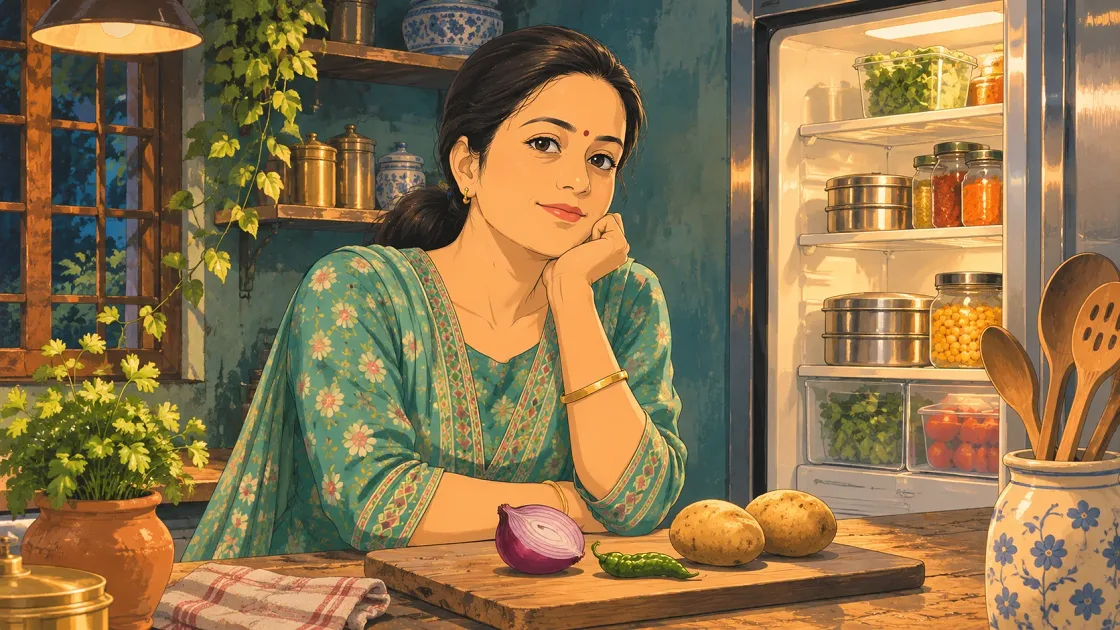
The clock hits 7:30 PM. You wipe your hands on a kitchen towel and ask the same question that lands in millions of Indian homes every evening: "Aaj dinner mein kya banayein?" From the sofa comes the reply that never helps: "Kuch bhi bana lo."
"Kuch bhi" is a trap. Suggest bhindi and someone says lunch was already dry sabzi. Suggest dal-chawal and someone sighs that dal was yesterday. Suggest ordering in and you get a lecture about health and the monthly budget. The real struggle behind aaj kya banaye dinner is not chopping onions. It is decision fatigue after a long day, plus family vetoes that arrive faster than the gas lighter.
PlanMeal exists for exactly this hour. Not as a product pitch. As a kitchen companion for ghar ka khana: cook with what you have, keep a little love in the plate, and end the nightly argument before it starts.
Why open-ended dinner questions fail Indian families
Asking "What do you want to eat?" invites vetoes. Tired people are better at rejecting ideas than choosing them. In an Indian home the puzzle is bigger than one dish. Dinner usually means roti or rice, a dry sabzi or gravy, a dal, and something on the side. Multi-generational tables make it harder:
- Elders often want lighter spices, less oil, and food that sits gently.
- Working adults want something filling that does not feel like lunch leftovers.
- Kids eat with their eyes first and will spot lauki from across the room.
So when someone says "kuch bhi," they are handing you the whole puzzle. Without a small system, you either cook the same three dinners every week or open a delivery app out of surrender. That is how a simple question about what to make for dinner indian family style becomes the heaviest chore of the day.
What “kuch bhi” usually means
Decode the phrase before you light the stove. It changes the daily dinner ideas veg you should offer:
- "Heavy lunch, keep it light": Khichdi with kadhi, vegetable daliya, moong dal with soft phulkas, or a warm tomato-dal soup.
- "Bored of regular roti-sabzi": Pav bhaji with extra vegetables, paneer rolls, uttapam with finely chopped capsicum and carrot, or a bright tawa sabzi.
- "I am starving now": Twenty-minute food only. Besan chilla, leftover-dal missi roti, pressure-cooker pulao with frozen peas, or eggs if your kitchen allows them.
Once you hear the real need under kuch bhi, you stop guessing and start cooking.
The Rule of Two: a better question than “aaj kya banaye dinner”
Never ask an open question at 7:30 PM. Offer two closed choices based on what is already thawed, chopped, or sitting in the crisper:
- "Aloo-jeera with paratha, or tadka moong with chawal?"
- "Bhindi dry with roti, or lauki chana dal with phulka?"
- "Leftover dal as missi roti, or a quick vegetable pulao?"
Two options feel like care. Ten options feel like work. Pair one dal or legume with one textured vegetable so the thali does not taste monotone. That simple matrix answers dinner without another negotiation, and it keeps the cook from becoming a short-order restaurant for three different menus.
Cook with what you have before you open a recipe
The PlanMeal habit is fridge-first. Open the vegetable tray and the steel katoris before you open Instagram. Half a cup of dal, two spoons of dry aloo, a lonely onion, and coriander that still has life are not scraps. They are tonight's dinner waiting to be combined.
- Cold dal kneaded into atta becomes soft missi roti.
- Dry sabzi mashed with green chilli becomes a stuffed paratha filling.
- Leftover rice tossed with mixed vegetables and a pinch of pav bhaji masala becomes tawa pulao.
- A soft tomato and leftover boiled potato become a quick bhaji for toast or roti.
This is ghar ka khana with a little love, every day: less waste, less argument, more dinner on the table. The best easy weekday dinner menu starts with inventory, not inspiration boards.
An easy weekday dinner menu (under 35 minutes of active cooking)
Use this as a starter week. Swap freely with whatever your mandi bag actually held on Sunday.
Monday: comforting and light
- Main: Lauki chana dal with ginger-tomato tempering.
- Carb: Soft phulkas with a touch of ghee.
- Side: Onion-lemon and a roasted papad.
- Why it works: Lauki disappears into the dal. Protein and comfort arrive together.
Tuesday: one-pot night
- Main: Spinach-corn pulao in the cooker.
- Side: Cucumber raita and mint chutney.
- Why it works: Fewer bartan, more calm after a long office day.
Wednesday: tawa colour
- Main: Paneer or tofu jalfrezi with crunchy peppers.
- Carb: Ajwain paratha or jowar roti.
- Side: Simple kachumber.
- Why it works: Mid-week boredom needs colour and crunch, not another watery yellow sabzi.
Thursday: break the wheat cycle
- Main: Ragi dosa or mixed-lentil adai.
- Side: Vegetable sambar and coconut chutney.
- Why it works: A lighter mid-week gut reset. The ICMR-National Institute of Nutrition keeps reminding Indian homes to favour pulses, legumes, and seasonal vegetables over endless refined cereal.
Friday: homemade “fakeaway”
- Main: Amritsari-style chole without baking soda theatre.
- Carb: Whole-wheat kulcha or jeera rice.
- Side: Mint raita and pickled chillies.
- Why it works: The delivery app stays closed. The oil stays in your kadhai, not in a mystery packet.
Five prep habits that shrink the 7:30 PM panic
- Sunday bhuna base: One jar of onion-tomato-ginger-garlic masala turns boiled legumes or paneer into gravy in minutes.
- Boil and freeze legumes: Rajma, chole, and kala chana wait patiently for chaotic evenings.
- Wash and dry hardy vegetables: Carrot, beans, cauliflower, and bhindi store better when fully dry.
- Keep one batter ready: Idli-dosa batter or a chilla premix is your five-minute safety net.
- Write tomorrow's two choices tonight: Stick them on the fridge. Morning-you protects evening exhausted-you.
None of these habits need special gadgets. They need fifteen quiet minutes on Sunday and a little mercy for the person who cooks.
When takeaway wins, and how to win back the week
Some nights Swiggy will still win. That is fine. The goal is not perfection. The goal is fewer 7:45 PM crises. If takeaway happens on Tuesday, protect Wednesday with a one-pot plan already written on the fridge. If guests arrive unannounced, stretch dal with water and a tempering, toast leftover roti into crisp pieces, and open a jar of achar. Ghar ka khana is flexible. Shame is optional.
End the stand-off with PlanMeal
You do not need a commercial kitchen. You need a kinder question, a fridge-first habit, and a short weekly rhythm. That is PlanMeal: cook with what you have, serve ghar ka khana with a little love, every day.
Stuck tonight? Start at PlanMeal, look at what is already in your vegetable tray, and pick one of two quiet dinner ideas. For more kitchen notes, visit the Journal or read our story on the About page. For the science behind balanced Indian plates, keep NIN close. For the peace at your table, keep the Rule of Two closer.